


Introduction
Energy drinks (EDs) are extremely popular, promising a quick boost of focus and endurance. However, beneath the appealing marketing, these beverages pose a severe and often ignored threat to your oral health.
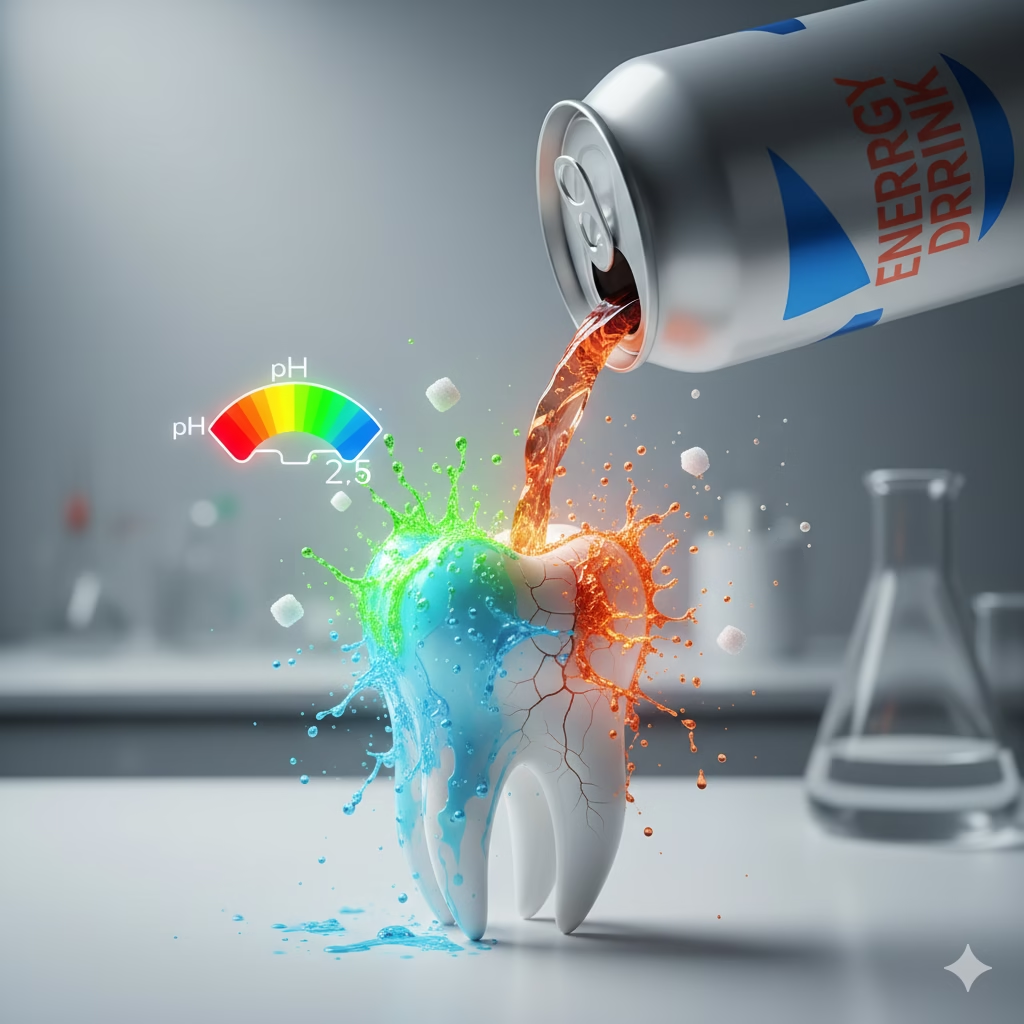
They deliver a “Triple Threat” to your enamel, creating a perfect storm for damage that goes far beyond typical sugary drinks. The core problem is not just dental decay (cavities), but irreversible acid erosion that weakens your entire dental structure. At SmilesCare.com, we emphasize a holistic approach—what you drink directly impacts your long-term wellness. Let’s explore the dangers of energy drinks and learn how you can safeguard your smile.
The Triple Threat: Three Ways Energy Drinks Attack Your Enamel
Energy drinks are exceptionally damaging because they simultaneously use three distinct mechanisms to attack your teeth. This makes them significantly more destructive than consuming other individual acidic or sugary items.
1. Extreme Acidity (The Primary Threat)
This is the most potent danger. EDs contain organic acids like citric acid and phosphoric acid for flavor and stability, which are highly corrosive.
- Corrosive pH Levels: The pH of most energy drinks is dangerously low, often ranging from 2.7 to 3.5. This is similar in strength to vinegar.
- Irreversible Damage: Tooth enamel starts to dissolve when the pH drops below 5.5 (the critical pH). The lower the pH, the faster the acid erosion chemically dissolves the enamel’s essential minerals.
- Constant Exposure: Frequent consumption exposes your teeth to these corrosive chemicals for extended periods.
Also Read: Acid Erosion: Protecting Enamel from Everyday Foods & Drinks
2. Excessive Sugar Content (The Decay Threat)
Most popular energy drinks are loaded with sugar, which creates the traditional environment for dental decay and cavities.
- Bacterial Fuel: Sugar is a rich food source for harmful oral bacteria.
- Secondary Acid Attack: When bacteria metabolize sugar, they produce lactic acid. This secondary acid works alongside the drink’s inherent acidity, accelerating enamel dissolution.
- Double Trouble: Your teeth face both a chemical acid attack (from the drink) and a bacterial acid attack (from the sugar).
3. Prolonged Consumption Pattern (The Frequency Threat)
Energy drinks are typically sipped casually throughout the day, maximizing the time your teeth are under attack.
- Extended Erosion Time: Sipping prolongs the duration your teeth are bathed in acid.
- No Saliva Recovery: This prevents your saliva—your mouth’s natural acid neutralizer—from returning the mouth to a neutral pH level. The damage becomes continuous.
| Threat Mechanism | Primary Ingredient | Dental Impact |
| Acid Erosion | Citric/Phosphoric Acid | Chemical dissolution of enamel (irreversible) |
| Dental Decay | High Sugar Content | Bacterial acid production (cavities) |
| Frequent Exposure | Sipping Habit | Prolongs low pH, prevents saliva recovery |


Consequences: Damage and Structural Weakness
The cumulative effect of the triple threat leads to specific and serious dental damage, progressing from subtle sensitivity to major structural failure.
A. Immediate Impact: Sensitivity and Appearance
- Increased Sensitivity: As the outer enamel thins due to erosion, the underlying dentin becomes exposed. This causes sharp discomfort when you consume hot, cold, or sweet items.
- Discoloration: The erosion of white enamel exposes the yellowish dentin underneath. This makes your teeth appear darker or duller.
B. Long-Term Damage: Decay and Structural Failure


- Rampant Decay: The combination of constant acid and sugar leads to rapid, widespread dental decay, often attacking vulnerable spots near the gum line.
- Weakened Structure: Erosion causes the surfaces of your teeth to wear down and sometimes form “cupping” or indentations on chewing surfaces.
- Restorative Risks: Enamel loss weakens the entire tooth and can compromise the margins of existing fillings or crowns, eventually requiring more complex, costly treatments like full crowns or dental implants if the tooth is severely damaged.
The Holistic Link: Beyond the Tooth Surface
The impact of excessive energy drink consumption is not limited to your mouth; it reinforces the holistic link between diet and systemic health.
Impact on Saliva and Hydration
Caffeine may contribute to a dry-mouth sensation in some people, although its effects vary. The bigger dental concern is frequent exposure to the drink’s acids and sugars, especially when it is sipped over a long period.
- Reduced Saliva Flow: Excessive caffeine can lead to dry mouth (xerostomia), significantly reducing saliva production. Read more: How to Manage Dry Mouth (Xerostomia)
- Loss of Protection: Since saliva is your mouth’s essential buffer against acid and decay, its reduction leaves your teeth acutely vulnerable, accelerating acid erosion damage.
Systemic Stress and Metabolic Risk
Energy drinks may also affect sleep, heart rate and overall health. Children, pregnant people and anyone with a heart condition or medication concern should discuss caffeine intake with an appropriate clinician.
- Metabolic Issues: High simple sugar intake increases the risk of insulin resistance and diabetes. This condition, in turn, severely compromises the health of your gums and bone density.
- Bruxism Risk: The high stimulant content can increase overall anxiety and stress. This often contributes to habitual teeth grinding or clenching (bruxism), which puts extreme physical stress on already weakened, eroded teeth and jaw joints (TMJ).
Safeguarding Your Smile: Proactive Strategies
The best defense against energy drink damage is elimination. However, if you choose to consume them or other highly acidic beverages, these smart strategies can significantly protect your enamel.
Smart Consumption Habits
- Reduce Frequency: Limit the frequency of acidic drinks. Finish the beverage within a short period rather than sipping over hours.
- Reduce contact: If you do drink one, avoid swishing it around the mouth. A straw positioned toward the back may reduce contact with the front teeth, but it does not make the drink safe.
- Rinse Immediately: After finishing, rinse your mouth thoroughly with water to neutralize acids and wash away sugar.
- Choose wisely: Plain water is the safest everyday choice for teeth. Milk can also be less erosive, while some flavored or herbal drinks may still be acidic.
Optimized Oral Hygiene
- Wait to Brush: Do NOT brush immediately after consuming acidic drinks. Wait at least 30 to 60 minutes to allow saliva time to remineralize the temporarily softened enamel before brushing.
- Chew Sugar-Free Gum: Chew sugar-free gum after consumption to stimulate alkaline saliva flow, which rapidly helps buffer the acid. Read more: Sugar-Free Gum: Is It Really Good for Your Teeth?
- Fluoride Power: Use a fluoride toothpaste and ask your dentist about professional fluoride treatments or prescription rinses to bolster enamel protection.
Professional Care
- Regular Check-ups: Maintain your regular check-up schedule. Your dentist can spot early signs of erosion and recommend protective treatments like sealants or dental bonding for vulnerable areas.
- Address Bruxing: If you experience stress-induced teeth grinding, your dentist can provide a custom night guard to protect your teeth from structural damage.
Conclusion: Choose Health, Choose Enamel
Energy drinks pose a powerful, three-pronged threat to the longevity and strength of your teeth. They accelerate both acid erosion and dental decay, increasing the risk of pain, sensitivity, and costly restorative needs.
Protecting your smile means reducing how often teeth contact acidic, sugary drinks and choosing water more often. These practical habits can lower the risk of enamel loss, decay and sensitivity, although they cannot reverse enamel that has already been lost.
Medically reviewed by Dr. Manish Pandey, BDS. This article is for general dental education and does not replace an examination or individualized advice.