


How do you clean a night guard? Rinse it in cool water when you take it out, clean it gently once a day with a soft toothbrush and mild soap, rinse away all soap, and let it dry before storage. Follow the instructions supplied with your particular guard if they differ: appliances can be made from different materials.
By Dr. Manish Pandey, BDS, Dental Surgeon
A night guard, also called a bite guard or occlusal splint, may be recommended for people who clench or grind their teeth. Cleaning it is a small daily task, but it helps keep the appliance comfortable and ready to wear. It also gives you a chance to notice damage or a change in fit.
How to clean a night guard each morning
- Remove and rinse. Rinse the guard under cool water after taking it out. Avoid boiling water or direct heat, which may change the shape of some appliances.
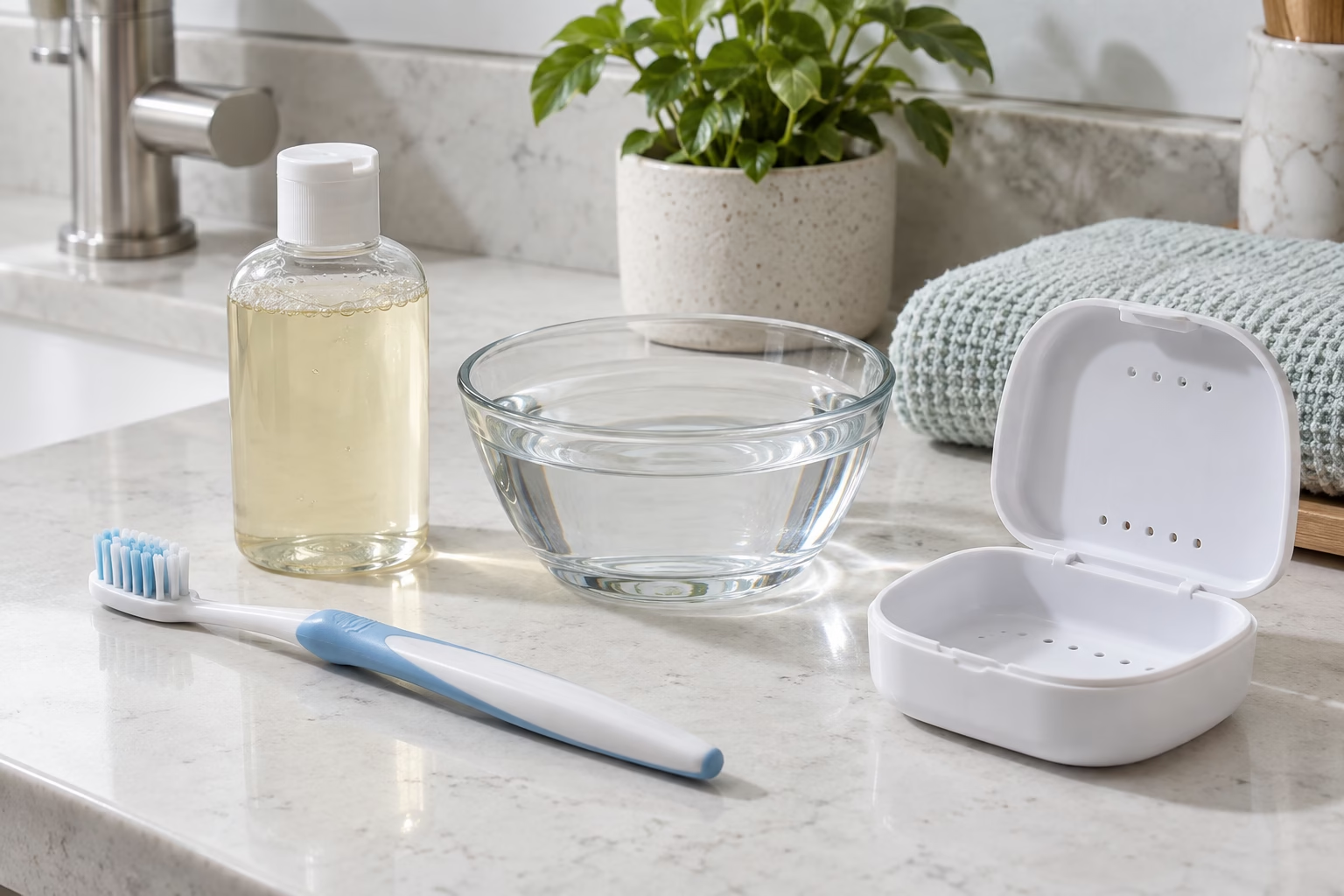
- Brush it gently. Use a soft-bristled toothbrush with a little mild liquid soap and cool water. Brush the surfaces without scrubbing aggressively.
- Rinse thoroughly. Remove all traces of soap before the next use.
- Dry and store. Let the guard and its storage case dry, then store it in the ventilated case recommended by your dentist or appliance maker.
United Lincolnshire Hospitals advises daily cleaning with cold soapy water and a soft-bristled toothbrush. The American Dental Association recommends keeping removable mouthguards clean and dry and using a sturdy ventilated container. A sports mouthguard is not the same as a night guard, so use these as general hygiene principles and defer to the instructions for your own appliance.

What should you avoid when cleaning a night guard?
Do not put the appliance in boiling or hot water, leave it in direct sunlight, or apply heat to dry it. Heat can alter a guard’s shape and compromise fit. Avoid harsh household cleaners, abrasive scrubbing and improvised disinfectants unless your dentist or the manufacturer specifically directs their use. Never try to reshape or repair a guard yourself.
If you use a cleaning tablet or other product, check that it is suitable for your guard’s material and follow the product directions. Ask your dentist when you are unsure. It is better to choose a simple, material-appropriate routine than an aggressive cleaning method.
How should you store a night guard?
Store it clean and dry in its case, rather than loose in a bathroom drawer or wrapped in tissue where it may be misplaced. A ventilated case allows moisture to escape. Clean the case regularly too, and keep both case and guard away from pets and small children. Bring the appliance to dental check-ups so its condition and fit can be reviewed.
Before wearing it at night, clean your teeth. United Lincolnshire Hospitals cautions that a bite guard can trap food and bacteria against teeth if oral hygiene is neglected. The guard protects against grinding forces; it does not replace brushing, flossing or dental care. For more about why a dentist might prescribe one, see our guide to teeth grinding.
When does a night guard need a dental check?
Contact the dentist who provided it if the guard no longer fits, feels sharp, rubs your gums, cracks, or shows significant wear. Do not force a guard into place. A damaged or ill-fitting appliance may need adjustment or replacement. If jaw pain or tooth sensitivity persists, ask for an examination instead of assuming the guard alone will solve it.
Common questions
Can I use hot water to clean my night guard?
No. Use cool water unless the product instructions explicitly say otherwise. Hot water and direct heat can affect the shape of some guards.
Should I clean my night guard every day?
Yes. Rinse it when you remove it and clean it daily as directed for your appliance. A soft toothbrush with mild soap and cool water is a commonly recommended routine.
Can I wear a cracked night guard?
Ask your dentist first. A crack or sharp edge can affect fit and comfort; do not try to repair it at home.
Takeaway
Rinse, gently clean, thoroughly rinse, dry and store your night guard each day. Follow your appliance-specific instructions, avoid heat, and have a dentist review changes in fit or damage.
References
- United Lincolnshire Hospitals: Bite Guard Care Instructions
- American Dental Association: Mouthguard Care and Replacement
- American Dental Association: Teeth Grinding
- Dorset County Hospital: Caring for Your Mouth Guard
Dental disclaimer: This article is general education, not a diagnosis or individualized appliance instruction. Follow the directions supplied with your guard and speak with your dentist about pain, damage or an unexpected change in fit.