



Pregnancy is a remarkable journey filled with many changes, some expected and others quite surprising. Among the lesser-talked-about, yet very common, experiences is the onset of dental changes, particularly swollen, tender, or bleeding gums. This condition, often referred to as pregnancy gingivitis, affects a significant number of expectant mothers. But why does it happen, and more importantly, how can you manage it safely and effectively for both you and your baby’s health?
What Exactly is Pregnancy Gingivitis?

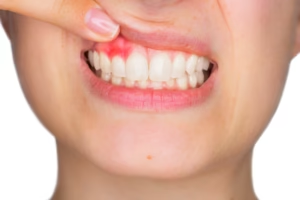
Pregnancy gingivitis is a mild form of gum disease characterized by red, swollen, tender gums that may bleed easily, especially when brushing or flossing. It is distinct from periodontitis, a more severe gum disease, but can progress to it if left untreated.
Symptoms often include:
- Redness or purplish discoloration of the gums
- Swelling or puffiness
- Tenderness or pain
- Bleeding when brushing or flossing
- Bad breath
The Hormonal Rollercoaster: Why Pregnancy Affects Your Gums
The primary reason for increased gum sensitivity during pregnancy lies in the dramatic surge of hormones, particularly estrogen and progesterone. These hormones lead to several changes that make your gums more vulnerable:
- Increased Blood Flow: Hormones cause an increase in blood circulation to all mucous membranes, including your gums. This heightened blood flow can make them more sensitive, swollen, and prone to bleeding.
- Exaggerated Response to Plaque: Even a small amount of bacterial plaque, which might not bother you normally, can trigger an exaggerated inflammatory response in your hormonally charged gums. Your body’s immune system reacts more intensely, leading to the classic symptoms of gingivitis.
- Changes in Blood Vessels: The hormones can also affect the tiny blood vessels in your gums, making them more fragile and likely to bleed.
The Importance of Oral Health During Pregnancy: Beyond Just Your Gums
Maintaining good oral hygiene throughout your pregnancy is crucial, not just for your own comfort, but also because oral health has been linked to overall systemic health. While research is ongoing, some studies suggest a potential, albeit complex, association between severe untreated gum disease (periodontitis) and adverse pregnancy outcomes, such as preterm birth and low birth weight.
This doesn’t mean mild gingivitis guarantees these issues, but it underscores the importance of proactive dental care. Healthy gums mean fewer bacteria entering your bloodstream, contributing to a healthier environment for your developing baby.
Safe & Effective Strategies for Managing Swollen Gums in Pregnancy
Managing pregnancy gingivitis focuses on meticulous oral hygiene and professional care. Here’s what you can do:
1. Boost Your Brushing & Flossing Routine


- Brush Gently, But Thoroughly: Use a soft-bristled toothbrush and brush at least twice a day for two minutes. Angle the bristles towards the gum line and use gentle, circular motions. Avoid aggressive scrubbing, which can further irritate sensitive gums.
- Floss Daily: Flossing is non-negotiable! It removes plaque and food particles that your toothbrush can’t reach, especially between teeth and along the gum line. If your gums bleed, it’s often a sign you need to floss more consistently, not less.
- Consider a Therapeutic Mouthwash: Your dentist might recommend an antimicrobial mouthwash or one designed for sensitive gums. Look for alcohol-free options.
2. Embrace Smart Dietary Choices
- Stay Hydrated: Drinking plenty of water helps wash away food particles and bacteria.
- Limit Sugary & Acidic Foods: These can contribute to plaque formation and tooth erosion. If you do consume them, rinse your mouth with water afterward.
- Nutrient-Rich Diet: Focus on foods rich in Vitamin C (citrus fruits, bell peppers, broccoli) and calcium (dairy, fortified plant milks, leafy greens), which are vital for healthy gums and strong teeth.
3. Home Remedies for Relief
- Warm Saltwater Rinses: This age-old remedy can work wonders. Mix half a teaspoon of salt in 8 ounces of warm water and swish for 30 seconds multiple times a day. Salt is a natural antiseptic and helps soothe inflammation.
- Cool Compresses: If your gums are particularly sore, a cool compress held gently against your cheek can provide temporary relief.
4. Prioritize Dental Check-ups During Pregnancy
It is a common misconception that dental visits should be avoided during pregnancy. In fact, it’s highly recommended to see your dentist for a check-up and professional cleaning.
- When to go: Routine care is often most comfortable during the second trimester, but necessary preventive, diagnostic and restorative dental treatment can generally be provided throughout pregnancy. Urgent treatment should not be delayed.
- Inform Your Dentist: Always let your dentist know you are pregnant and how far along you are. This allows them to tailor treatments, avoid certain medications (like specific antibiotics or pain relievers), and adjust X-ray protocols (though dental X-rays are generally considered safe with proper shielding).
- Safe Procedures: Routine cleanings, cavity fillings, and even root canals can typically be performed safely. Elective procedures like cosmetic dentistry are usually postponed until after delivery.
Also Read:
Frequently Asked Questions (FAQ)
Q1: Is it normal for my gums to bleed every time I brush during pregnancy?
A1: While common, persistent bleeding indicates gingivitis. It’s crucial not to stop brushing and flossing. Instead, be gentler, and speak to your dentist about improving your technique and getting a professional cleaning.
Q2: Will pregnancy gingivitis go away after I give birth?
A2: For most women, pregnancy gingivitis resolves or significantly improves after delivery when hormone levels return to normal. However, good oral hygiene remains essential to prevent its recurrence.
Q3: Can I use regular over-the-counter pain relievers for gum pain during pregnancy?
A3: Always consult your doctor or dentist before taking any medication, including over-the-counter pain relievers, during pregnancy. Some medications are not recommended.
Q4: Are dental X-rays safe during pregnancy?
A4: Dental radiographs are considered safe during pregnancy when clinically necessary. Current ADA guidance does not recommend routine abdominal or thyroid shielding for patients; careful selection of images, positioning and dose-reduction techniques are more effective. Tell the dental team that you are pregnant. Read more: Are Dental X-Rays Safe?
Q5: What if I develop a “pregnancy tumor” on my gums?
A5: These are usually benign reactive growths called pyogenic granulomas. They may reduce after delivery, but any new or changing gum growth should be examined. Removal may be considered when a lesion bleeds repeatedly, interferes with eating or hygiene, or when the diagnosis is uncertain.
Key takeaway
Swollen gums in pregnancy are a common, often uncomfortable, but generally manageable condition. By understanding the hormonal influences, maintaining a diligent oral hygiene routine, making healthy dietary choices, and prioritizing regular dental check-ups, you can navigate this aspect of pregnancy with confidence. A healthy mouth is a key component of a healthy pregnancy, ensuring both your well-being and the best possible start for your little one.
Clinical references
- American Academy of Periodontology. Periodontal (Gum) Disease: Pregnancy and Oral Health.
- American Dental Association. Pregnancy and Oral Health.
- Mayo Clinic. Pregnancy gingivitis.
- Oral Health in Women During Preconception and Pregnancy-Pub-Med
- Oral Health Care During Pregnancy and Through the Lifespan
Reviewed by Dr. Manish Pandey, BDS. This article provides general education and does not replace advice from your dentist or obstetric clinician. Seek prompt care for facial swelling, fever, pus, severe pain, uncontrolled bleeding, difficulty swallowing or breathing, or inability to maintain hydration.