


Written and dentally reviewed by Dr. Manish Pandey, BDS, Dental Surgeon
Last reviewed: 24 August 2026
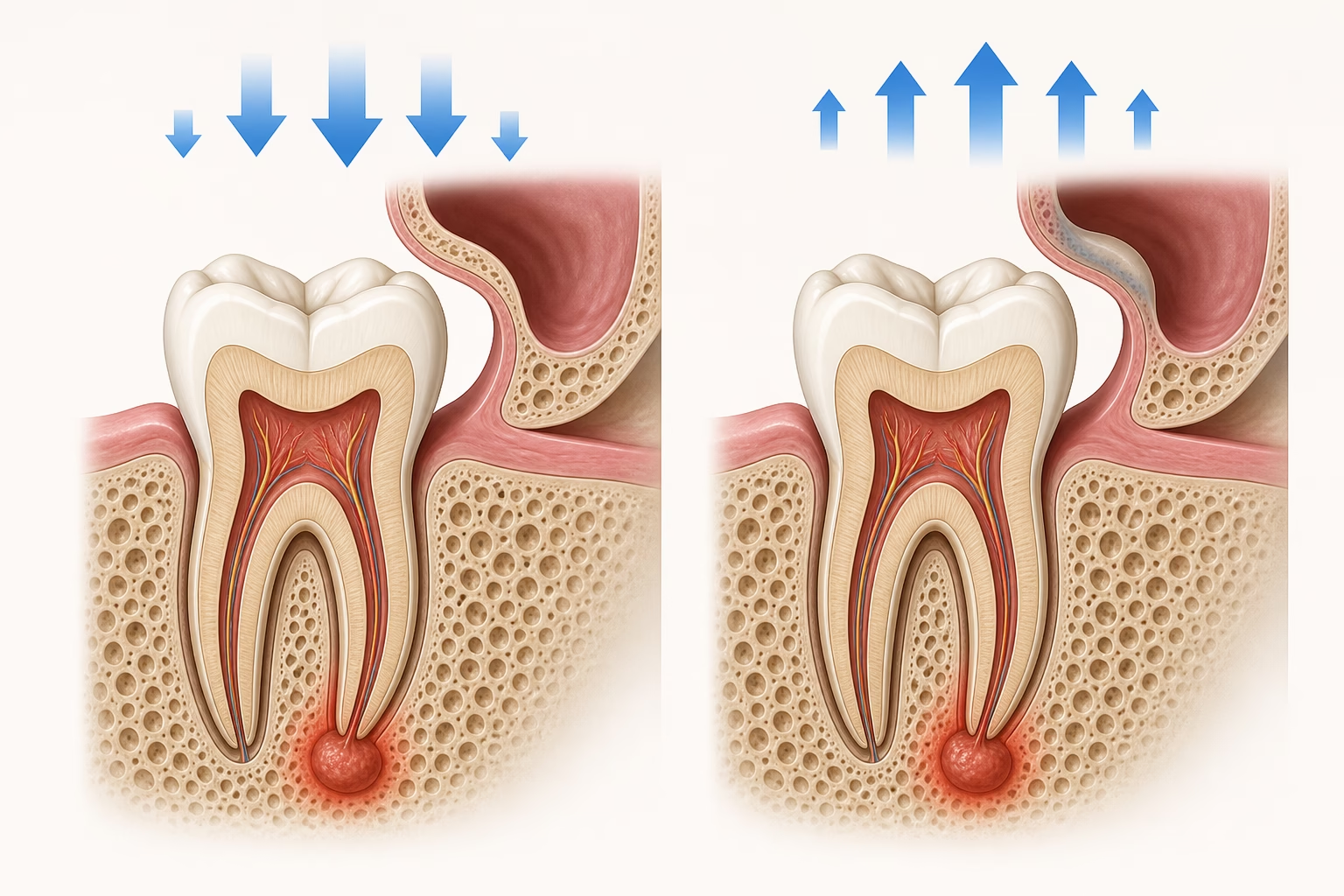
Tooth pain while flying is sometimes called barodontalgia or “airplane toothache.” It happens when a change in cabin pressure triggers pain from a tooth, restoration, surrounding tissue or nearby sinus. The pressure change usually reveals an existing problem rather than damaging a completely healthy tooth.
Quick answer: Why do my teeth hurt on a plane?
A tooth may hurt during take-off or landing because changing air pressure can aggravate decay, an inflamed or infected dental pulp, a loose filling, a cracked tooth or sinus inflammation. Avoid chewing on the painful side, use only a pain reliever that is safe for you and arrange a dental examination. Seek urgent care for facial swelling, fever, difficulty breathing or swallowing, eye swelling or rapidly worsening pain.
What is barodontalgia?
Barodontalgia means oral or dental pain associated with a change in environmental pressure. It has been reported in airline passengers, aircrew, divers and people receiving hyperbaric oxygen therapy. It is a symptom, not a diagnosis.
A 2024 survey of civilian and military pilots found that pressure-related dental pain remains relevant in aviation. Earlier clinical research also links episodes to pulp inflammation, decay, defective restorations, infection around a root and, less often, sinus-related pain. The exact mechanism can differ from one person to another, so symptoms alone cannot identify the affected tissue.
Common causes of tooth pain while flying
1. Tooth decay and pulp inflammation
Deep decay can irritate the soft pulp inside a tooth. A tooth that seemed quiet on the ground may become painful when cabin pressure changes. Brief cold sensitivity can occur with a less inflamed pulp, while spontaneous, throbbing or lingering hot-and-cold pain may indicate more significant inflammation.
See our guide to dental cavities, stages and treatment.
2. A loose, leaking or defective filling
A damaged filling can expose sensitive dentine, allow bacteria to enter or leave an area that responds badly to pressure change. Recent dental work does not automatically mean something is wrong, but persistent pain, a changed bite or a broken restoration should be checked.
3. Pulp necrosis or infection around the root
A tooth with a dead or infected pulp may have few symptoms until pressure changes trigger pain. Tenderness when biting, a gum swelling, a bad taste or facial swelling can accompany infection. Antibiotics are not a substitute for dental treatment that removes the source.
4. A cracked tooth
A small crack can cause sharp, inconsistent pain with chewing or temperature changes. Flight-related discomfort may draw attention to a crack that was already present. Fine cracks are not always visible on a routine X-ray. Read more about cracked tooth syndrome.
5. Sinus pressure
The roots of upper back teeth sit close to the maxillary sinuses. Nasal congestion or sinus inflammation can create a dull ache across several upper teeth, often with facial pressure. Pain isolated to one tooth, pain on biting or a damaged filling is more suggestive of a dental source. A dentist or doctor may need to distinguish the two.

Does pain during ascent or descent identify the cause?
Older barodontalgia classifications associated pain during ascent or descent with particular pulp conditions. In practice, this pattern is not reliable enough for self-diagnosis. Pain can occur while pressure rises or falls and may continue after landing. A dental history, clinical examination, pulp testing and appropriate imaging are more useful than the flight phase alone.
What should I do if a toothache starts during a flight?
If tooth pain while flying begins suddenly, focus on safe temporary relief and arrange assessment after landing.
- Stop chewing on that side. Choose soft food and avoid very hot, cold or sugary items if they trigger pain.
- Keep the area clean. Gently rinse with water and brush normally when practical. Do not place aspirin, crushed tablets, bleach, concentrated peroxide or undiluted essential oils on the tooth or gum.
- Use medication only if it is safe for you. Follow the label or advice from a clinician. Anti-inflammatory medicines are not suitable for everyone, including some people with kidney disease, stomach ulcers, anticoagulant use or pregnancy. Acetaminophen also has dose and liver-safety limits.
- Arrange a dental examination. Pain relief is temporary; it does not repair a crack, remove decay, adjust a filling or treat infected pulp.
- Do not start leftover antibiotics. Most localized toothache needs definitive dental care rather than antibiotics alone.
When is airplane toothache urgent?
Seek urgent dental or emergency medical care if tooth pain occurs with:
- difficulty breathing, swallowing or speaking;
- rapidly increasing facial, jaw or neck swelling;
- swelling near the eye or changes in vision;
- fever, marked weakness or confusion with dental swelling;
- uncontrolled bleeding or major facial trauma; or
- severe pain that continues to worsen.
If the pain is mainly triggered by chewing, our guide to tooth pain when biting explains additional causes and warning signs.
Is it safe to fly after dental treatment?
The answer depends on the procedure, healing and any complications. A simple filling and a surgical extraction are not equivalent. After an extraction, implant placement, root canal procedure or other surgery, follow the treating dentist’s instructions and ask when air travel is appropriate for your individual case.
If treatment is incomplete, pain or swelling is present, a temporary restoration has failed or you expect substantial pressure exposure through flying or diving, contact the dentist before travelling. Do not rely on a fixed waiting period from a general article because healing and treatment risks vary.
To diagnose tooth pain while flying, the dentist combines the flight pattern with findings from the teeth, gums, bite and sinuses.
The dentist will ask which tooth hurt, whether pain appeared during ascent or descent, how long it lasted and whether cold, heat or biting also triggers it. The examination may include:
- inspection for decay, cracks and defective restorations;
- checking the bite and tapping individual teeth;
- cold or other pulp-response tests;
- gum and periodontal examination;
- dental radiographs when clinically indicated; and
- assessment for sinus or referred pain when the pattern is unclear.
Treatment follows the diagnosis and may include replacing a restoration, treating decay, adjusting the bite, root canal treatment, managing gum disease or addressing a sinus condition. A tooth that cannot be predictably restored may require extraction, but this decision needs an in-person assessment.
Can tooth pain while flying be prevented?
Preventing every episode is not possible, but tooth pain while flying is less likely when active disease and defective restorations are identified and treated.
Risk can be reduced by maintaining regular dental examinations, completing recommended treatment before repeated pressure exposure and having new or changing symptoms assessed before travel. Brush twice daily with fluoride toothpaste, clean between teeth and avoid using pain medicine to repeatedly postpone necessary treatment.
Frequent flyers, pilots and divers should tell their dentist about pressure-related symptoms and occupational exposure. A symptom diary noting flight phase, tooth location, duration and other triggers can help the assessment.
Bottom line: Tooth pain while flying deserves a dental check even if it stops after landing, because pressure change may have exposed a treatable problem.
Frequently asked questions
Can cabin pressure cause tooth pain?
Yes. Cabin-pressure changes can trigger pain from an underlying dental or sinus problem. Barodontalgia is a symptom and does not identify the precise cause.
Why does an old filling hurt when I fly?
Decay around the filling, a crack, pulp inflammation, bite stress or a defective restoration may be responsible. A clinical examination is needed because the filling may look normal from the outside.
Can a root-canal-treated tooth hurt on a plane?
It can if there is inflammation or infection around the root, a crack, a restoration problem or pain referred from another site. A properly treated tooth should not be assumed to contain “trapped gas.” Persistent symptoms need dental review.
Will the pain stop after landing?
It may, but some episodes persist after pressure equalises. Even if the pain disappears, recurrence on another flight can occur when the underlying problem remains untreated.
Should I cancel a flight because of toothache?
Contact a dentist before travel when pain is severe, swelling is present, treatment is incomplete or recent surgery is still healing. The treating clinician can assess the specific risk and give individualized advice.
Authoritative references
- Topbaş C, et al. Relationships among barodontalgia prevalence, altitude, stress and dental care frequency. PeerJ. 2024.
- Stoetzer M, et al. Pathophysiology of Barodontalgia: A Case Report and Review of the Literature.
- Zadik Y. Barodontalgia: what have we learned in the past decade?
- American Dental Association: Acute Dental Pain Management Guideline.
- American Association of Endodontists: Tooth Pain.
Dental disclaimer: This article provides general education and cannot diagnose the cause of tooth pain or replace an examination by a dentist or physician. Treatment and travel advice depend on your health, symptoms and procedure. Seek urgent care for severe or spreading symptoms.