

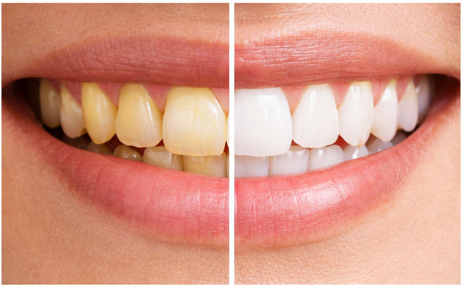
A bright white smile is often associated with health, confidence, and good oral hygiene. But many people notice that their teeth gradually become yellow over time—even when they brush regularly.
If you’ve ever asked yourself, “Why are my teeth turning yellow?”, you’re not alone. Tooth discoloration is one of the most common dental concerns worldwide. The good news is that in most cases, yellow teeth are not a sign of serious disease. However, they can indicate lifestyle habits, dietary choices, or natural aging processes affecting your teeth.
Understanding the causes of yellow teeth can help you make better decisions about oral hygiene, diet, and professional dental care.
Understanding Tooth Color: Why Teeth Aren’t Naturally Pure White
Before discussing yellow teeth, it’s important to understand that natural teeth are not completely white.
Teeth are made of two main layers:
Enamel
The outer protective layer appears white or slightly translucent.
Dentin
The inner layer beneath enamel has a naturally yellow tone.
When enamel becomes thinner or stained, the yellow dentin underneath becomes more visible. This is why teeth may gradually appear darker or more yellow with age.
Common Causes of Yellow Teeth
Several factors can contribute to yellow teeth. Often, it’s a combination of lifestyle habits, diet, and natural aging.
1. Poor Oral Hygiene
One of the most common reasons for yellow teeth is inadequate oral hygiene.
If plaque and tartar are not removed regularly through brushing and flossing, they accumulate on the tooth surface. Over time, these deposits can create a yellow or dull appearance.
Common hygiene mistakes include:
- Brushing too quickly
- Skipping flossing
- Not brushing twice daily
- Irregular dental checkups
Maintaining a consistent oral hygiene routine is essential for preventing discoloration.
2. Foods and Drinks That Stain Teeth
Certain foods and beverages contain strong pigments that can stain tooth enamel.
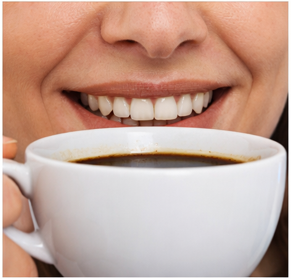
Some common culprits include:
- Coffee
- Tea
- Red wine
- Cola and dark sodas
- Soy sauce
- Tomato-based sauces
- Berries
These foods contain compounds called chromogens, which attach to enamel and cause staining over time.
Frequent consumption can gradually darken the teeth if proper cleaning is not done afterwards.
3. Smoking and Tobacco Use
Smoking is one of the fastest ways for teeth to become yellow or brown.
Tobacco products contain tar and nicotine, which easily penetrate tooth enamel. Nicotine is colorless initially but turns yellow when exposed to oxygen, leading to noticeable stains.
Long-term tobacco use can also contribute to:
- Bad breath
- Gum disease
- Increased plaque buildup
Quitting smoking improves both oral health and overall health.
4. Natural Aging
Aging naturally changes tooth color.
As people get older:
- Enamel gradually wears down
- The yellow dentin becomes more visible
- Stains accumulate over time
This process is normal and happens even in individuals who maintain excellent oral hygiene.
However, professional cleaning and whitening treatments can often restore brightness.
5. Certain Medications
Some medications can cause tooth discoloration.
Examples include:
- Certain antibiotics (such as tetracycline during childhood)
- Antihistamines
- Blood pressure medications
- Some antipsychotic drugs
These medications may affect tooth development or cause internal staining.
If discoloration is medication-related, a dentist can suggest cosmetic solutions.
6. Excess Fluoride (Fluorosis)
While fluoride helps prevent cavities, excessive fluoride exposure during childhood can lead to dental fluorosis.
Fluorosis may cause:
- White streaks
- Yellow patches
- Brown stains in severe cases
This condition occurs while teeth are still developing, typically before the age of eight.
7. Enamel Wear from Grinding or Acidic Foods
Enamel can gradually wear away due to:
- Teeth grinding (bruxism)
- Acidic foods and drinks
- Acid reflux
- Frequent soda consumption
When enamel becomes thinner, the underlying yellow dentin becomes more noticeable.
Protecting enamel is crucial for maintaining tooth color and strength.
Read More: Acid Erosion: Protecting Enamel from Everyday Foods & Drinks
How to Prevent Teeth from Turning Yellow
Preventing yellow teeth is often easier than correcting discoloration later.
Here are simple habits that can make a significant difference.
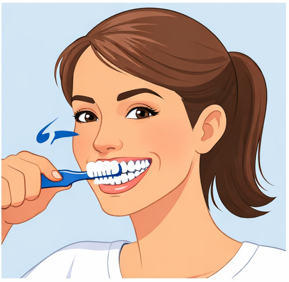
Brush Properly Twice a Day
Use a fluoride toothpaste and brush for at least two minutes twice daily. Make sure to clean all surfaces of your teeth.
Floss Daily
Flossing removes plaque and food particles between teeth where toothbrushes cannot reach.
Limit Staining Foods and Drinks
You don’t need to completely avoid coffee or tea, but moderation helps reduce staining.
Using a straw for certain beverages may also reduce contact with teeth.
Rinse After Eating
Rinsing your mouth with water after consuming staining foods can help prevent pigments from sticking to enamel.
Visit a Dentist Regularly
Professional cleanings remove tartar and surface stains that brushing cannot eliminate.
Regular dental visits help maintain both oral health and tooth color.
Safe Ways to Whiten Yellow Teeth
If teeth have already become yellow, several safe options can help restore brightness.
Professional Teeth Whitening
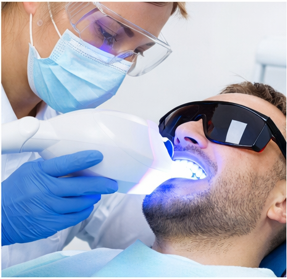
Dentists offer professional whitening treatments that use carefully controlled bleaching agents.
Benefits include:
- Faster results
- Even whitening
- Professional supervision
- Reduced risk of gum irritation
Professional whitening is generally the most effective option.
At-Home Whitening Products
Some people choose over-the-counter whitening products such as:
- Whitening toothpaste
- Whitening strips
- Whitening gels
These products can improve mild surface staining, but results vary. Follow the label exactly and stop if you develop significant pain or gum irritation. Whitening does not change the colour of fillings, crowns or veneers, and it should not be used to mask decay or unexplained discolouration.
Also Read: Charcoal Toothpaste: Safe or Harmful?
Dental Cleaning
Sometimes, yellow teeth are simply caused by plaque and tartar buildup.
A professional cleaning may significantly improve tooth color without any whitening treatment.
Are Whitening Products Safe?
When used correctly, most dentist-approved whitening methods are considered safe.
However, excessive use of whitening products can cause:
- Tooth sensitivity
- Gum irritation
- Enamel damage
For this reason, it’s always best to consult a dental professional before starting any whitening treatment.
When Should You See a Dentist?
You should consider consulting a dentist if:
- Yellow teeth appear suddenly
- Stains do not improve with brushing
- Tooth sensitivity develops
- Discoloration is uneven
A dental professional can identify the underlying cause and recommend the safest treatment option.
Key Takeaway
Yellow teeth are extremely common and usually result from everyday factors such as diet, aging, or lifestyle habits. In most cases, the issue is cosmetic rather than a sign of serious dental disease.
The most effective approach includes:
- Maintaining good oral hygiene
- Limiting staining foods and tobacco
- Visiting a dentist regularly
- Considering professional whitening when appropriate
With the right care and guidance, it’s possible to maintain a healthy, bright smile for many years.
Frequently asked questions
Why are my teeth yellow even though I brush every day?
Daily brushing helps remove plaque, but factors like diet, aging, genetics, and enamel thickness can still affect tooth color.
Can yellow teeth become white again?
Often, but the result depends on the cause. Cleaning can remove some surface deposits, while bleaching may lighten many natural teeth. Internal discolouration and existing fillings, crowns or veneers may respond differently.
Is tooth whitening safe?
When done under professional supervision or with dentist-approved products, whitening is generally safe.
Do whitening toothpastes really work?
Whitening toothpaste can remove surface stains but usually cannot dramatically change the natural color of teeth.
Clinical references
Reviewed by Dr. Manish Pandey, BDS. This article provides general oral-health education. A dentist should examine sudden, one-sided, painful or unexplained colour changes before whitening. Whitening can temporarily increase sensitivity or irritate gums and is not suitable for every patient.