

Reviewed by Dr. Manish Pandey, BDS, Dental Surgeon
Last reviewed: 13 August 2026

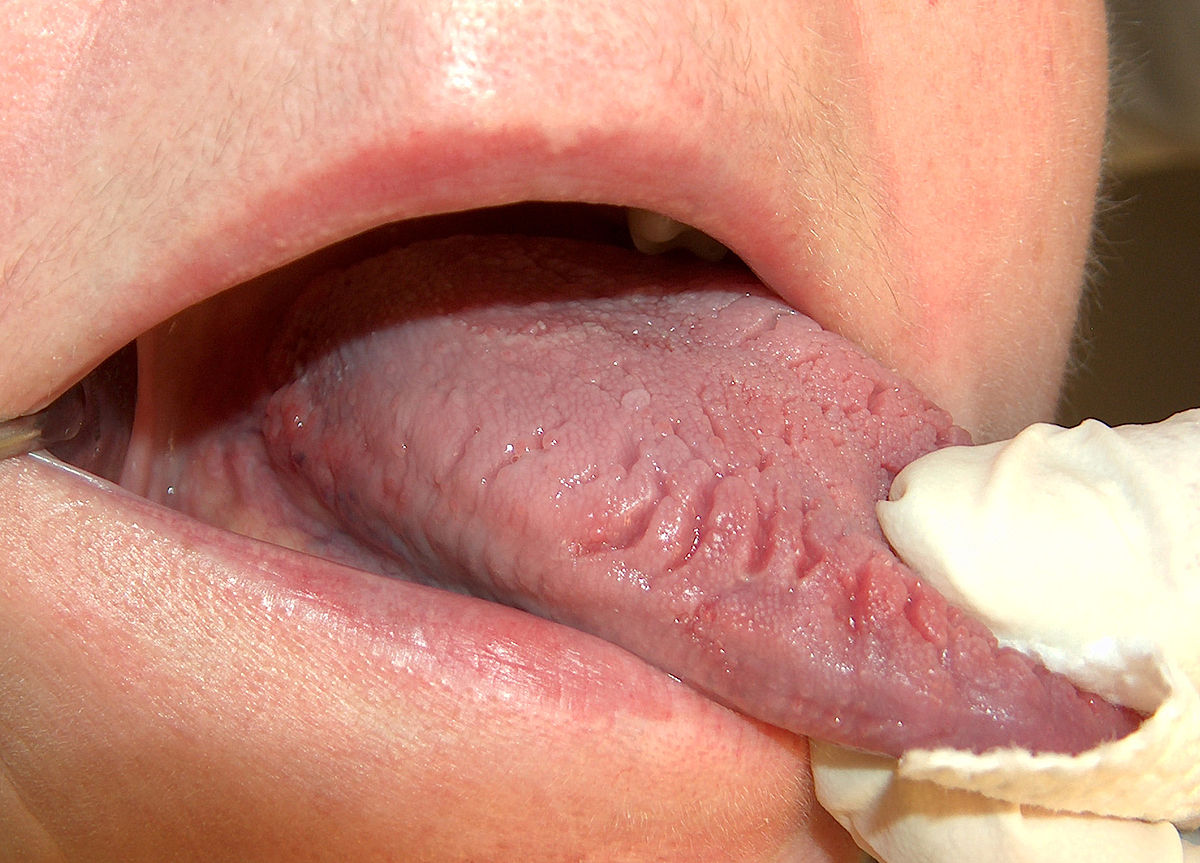
Fissured tongue is a usually harmless variation in which grooves develop across the top and sides of the tongue. It is also called lingua plicata, furrowed tongue, or grooved tongue. Most people have no pain and need no medical treatment. The main concern is that food and debris can collect in deeper grooves, sometimes causing irritation or bad breath.
Quick answer: A fissured tongue is generally benign and is not contagious or cancerous. Gently cleaning the tongue is usually all that is required. Arrange a dental or medical examination if the change is new, painful, bleeding, swollen, associated with an ulcer or lump, or accompanied by facial swelling or weakness.
What does a fissured tongue look like?
The tongue may have one prominent groove down the middle, several branching grooves, or a pattern of shallow and deep furrows. The fissures are found mainly on the upper surface and may extend toward the edges. Their depth and pattern vary considerably from person to person.
The appearance can become more noticeable with age. Some people have fissures from childhood, while others notice them later. The condition is often discovered during a routine dental examination.
Is fissured tongue dangerous?
In most cases, no. Fissured tongue is considered a benign condition and commonly occurs in otherwise healthy people. It does not turn into oral cancer. However, not every crack, sore, or color change on the tongue is a fissure. A persistent ulcer, firm lump, unexplained bleeding, or a patch that does not heal needs professional assessment.
Common symptoms
- One or more grooves on the top or sides of the tongue
- No pain or other symptoms in most people
- Food debris collecting in deeper grooves
- Temporary irritation, burning, or sensitivity, especially when geographic tongue is also present
- Bad breath when the tongue surface is not cleaned effectively
Fever, severe swelling, pus, significant bleeding, or difficulty swallowing are not typical features of an uncomplicated fissured tongue.
What causes fissured tongue?
The exact cause is not fully understood. It may have a familial or inherited tendency, and the grooves often become more prominent with age. Many cases are isolated and have no identifiable underlying cause.
Fissured tongue is sometimes seen alongside geographic tongue, a benign condition that causes smooth red patches with pale or white borders. Associations have also been reported with psoriasis, Down syndrome, orofacial granulomatosis, and the rare Melkersson–Rosenthal syndrome. An association does not mean that a person with tongue fissures has one of these conditions.
Nutritional deficiency is sometimes blamed online, but fissures alone do not establish a vitamin or mineral deficiency. Blood tests are considered only when the history or other clinical signs suggest a deficiency or another health problem.
Fissured tongue and geographic tongue
These conditions frequently occur together but look different. Fissured tongue creates grooves. Geographic tongue produces smooth, red, map-like areas that may move or change shape over time. Geographic tongue is more likely to cause sensitivity to spicy, acidic, or very hot foods.
How dentists diagnose it
A dentist or doctor can usually diagnose fissured tongue by examining its characteristic appearance and reviewing symptoms. A biopsy or blood test is not routinely required. Further testing may be appropriate when the appearance is unusual, symptoms persist, or another condition is suspected.
Conditions that may look different but need consideration
- Geographic tongue: migrating smooth red patches rather than grooves alone
- Oral thrush: creamy white patches that may wipe away and leave a sore surface
- Traumatic ulcer: a localized painful sore, sometimes related to a sharp tooth or biting
- Hairy tongue: elongated surface projections with a dark, brown, yellow, or coated appearance
- Suspicious oral lesion: a persistent ulcer, lump, hard area, or unexplained red or white patch
Treatment and daily care
There is no need to remove or “heal” the grooves when they are painless. The goal is to keep the surface clean and reduce irritation.
- Clean gently once daily. Use a soft toothbrush or gentle tongue cleaner. Avoid forceful scraping, which can injure the surface.
- Brush and floss consistently. Follow a complete oral-hygiene routine to control plaque and odor.
- Rinse after meals. Plain water can help dislodge food from deeper grooves.
- Identify personal irritants. If the tongue burns, temporarily reduce very spicy, acidic, salty, or hot foods.
- Manage dry mouth. Saliva helps cleanse the mouth. Review these dry-mouth management steps and speak with a clinician if dryness persists.
Antibiotics and antifungal medicines are not routine treatments for fissured tongue. They should be used only when a clinician diagnoses a specific bacterial or fungal infection. Do not place aspirin, harsh antiseptics, bleach, peroxide concentrates, or acidic home remedies on the tongue.
Can fissured tongue be prevented?
There is no proven way to prevent the grooves because the cause is usually unknown and may involve inherited or age-related factors. Good oral hygiene does not necessarily prevent fissures, but it can reduce debris, irritation, and odor.
When should you see a dentist or doctor?
Arrange an examination if you are unsure whether the change is a fissure or if you develop any of the following:
- A tongue ulcer, red or white patch, or lump that lasts longer than two weeks
- Persistent pain, burning, bleeding, or worsening swelling
- Difficulty chewing, swallowing, speaking, or moving the tongue
- Unexplained numbness, weight loss, or a neck lump
- Recurrent white patches or suspected infection
- Facial or lip swelling, or facial weakness
Seek urgent care for rapidly increasing tongue or throat swelling or any difficulty breathing.
Frequently asked questions
Is fissured tongue contagious?
No. It cannot be passed through kissing, food, utensils, or other contact.
Is fissured tongue cancer?
No. Fissured tongue is benign and does not become cancer. A separate persistent ulcer, lump, or red or white patch should still be examined.
Does fissured tongue go away?
The grooves often remain and may become more noticeable over time. Treatment is usually unnecessary because the condition itself is harmless.
Can fissured tongue cause bad breath?
It can contribute when food and bacteria remain in deep grooves. Gentle tongue cleaning, rinsing after meals, and regular dental care usually help.
Should I take vitamins for a cracked tongue?
Not solely because grooves are present. Take supplements only when a qualified clinician identifies a deficiency or recommends them for another reason.
Key takeaway
A fissured tongue is usually a harmless anatomical variation. Keep the grooves gently clean and seek professional advice for new, painful, persistent, or otherwise unusual changes. A dentist can distinguish ordinary fissures from infections, ulcers, geographic tongue, and other oral conditions.
This article provides general education and does not replace an examination or individualized medical or dental advice.
Authoritative references
- American Academy of Oral Medicine: Fissured Tongue
- DermNet: Fissured Tongue
- MSD Manual Professional: Tongue Discoloration and Other Changes
- CMAJ/PMC: Lingua Plicata