Does baking soda whiten teeth? It may help remove some surface stains, but it does not bleach the deeper color of a tooth. That distinction matters when deciding whether a homemade powder, a fluoride toothpaste, or professional whitening is appropriate. If a tooth has changed color suddenly or only one tooth is darkening, ask a dentist to examine it rather than trying to scrub the color away.
Does baking soda whiten teeth or just remove stains?
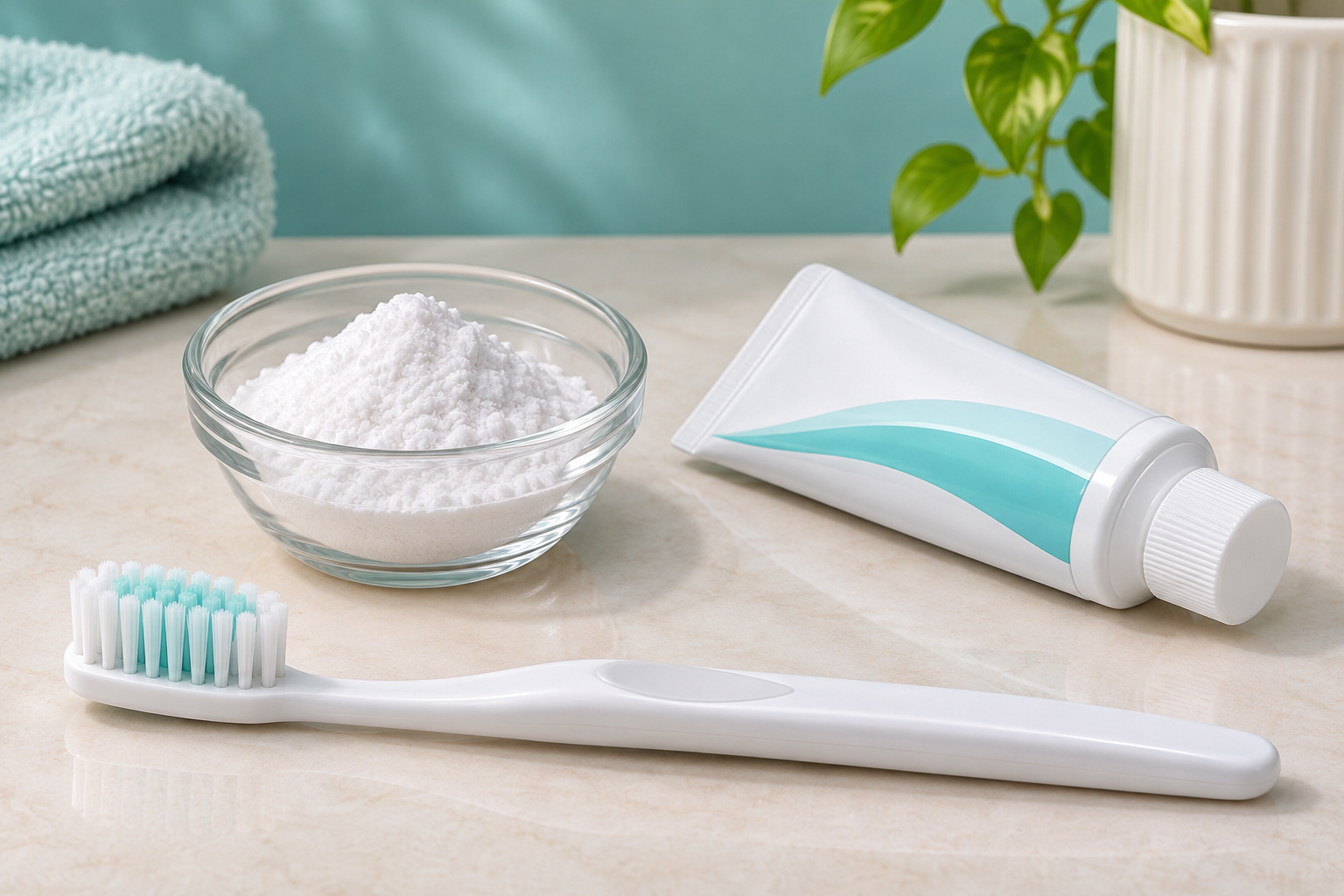
Baking soda (sodium bicarbonate) is a mild abrasive. Abrasives can polish away some stains left on the outside of enamel by food, drinks or tobacco. This can make teeth look cleaner, but it is different from bleaching the tooth itself. The American Dental Association distinguishes stain-removing toothpastes from peroxide-based whitening treatments, which can change the color of natural teeth. A crown, filling or veneer will not whiten in the same way as a natural tooth.
Not every yellow or dark tooth has a removable stain. The color may reflect enamel thickness, age, past injury, decay, or a restoration. Our guide to why teeth turn yellow explains why the cause should guide the response.
Is brushing with plain baking soda a good daily routine?
Plain baking soda is not a complete replacement for a fluoride toothpaste. Fluoride helps prevent cavities, while a formulated toothpaste is designed and tested as a whole product. The ADA notes that toothpastes can contain abrasives for cleaning and fluoride for cavity protection. If you want a baking-soda toothpaste, choose a reputable fluoride-containing formulation and use it as directed rather than assuming a kitchen powder provides the same protection.
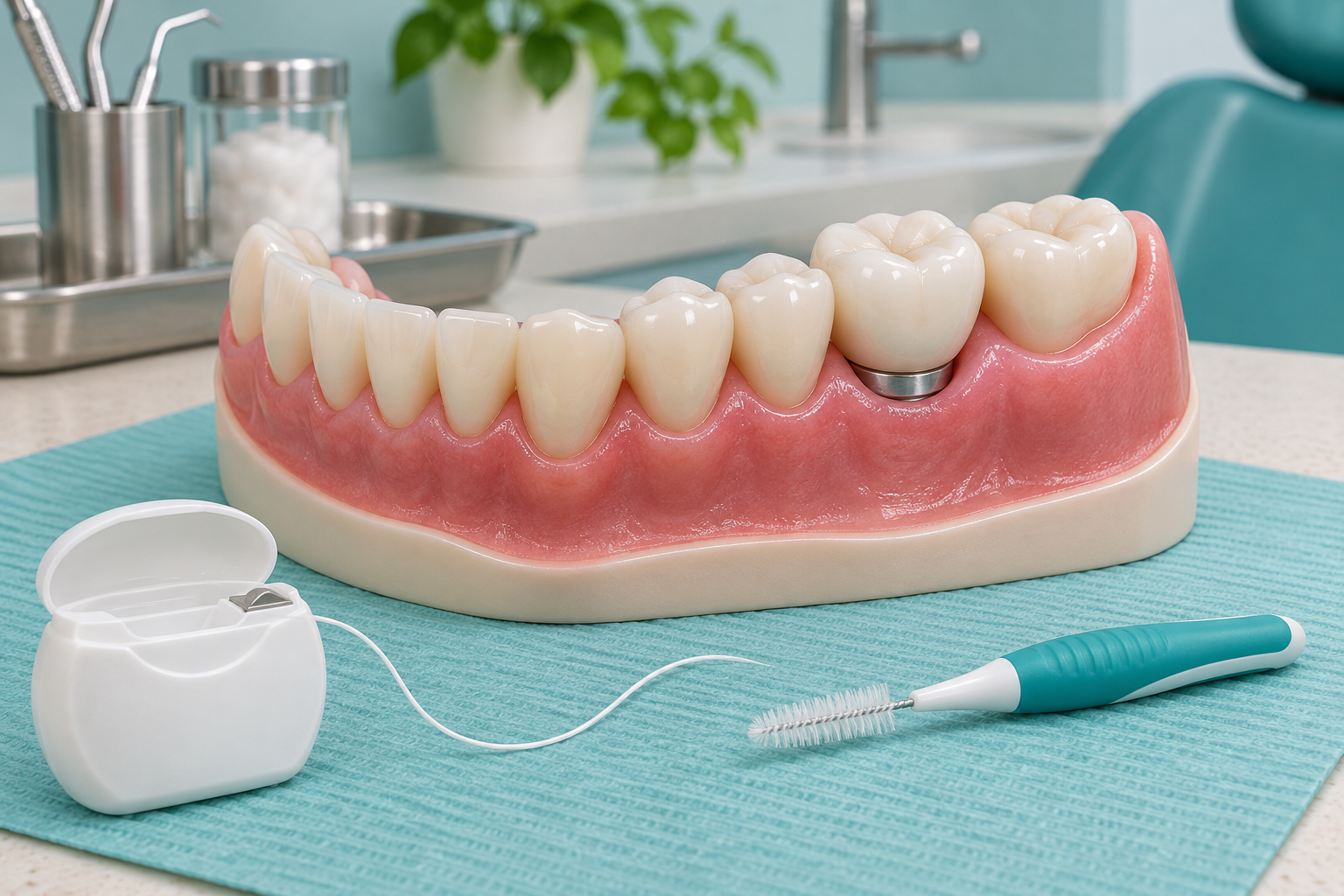
Brush gently with a soft-bristled brush for two minutes twice a day, and clean between your teeth daily. More pressure and longer scrubbing are not a shortcut to whiter teeth; they may irritate gums or contribute to wear. If brushing causes pain or sensitivity, stop the experiment and ask your dentist for advice. See our separate explanation of tooth sensitivity after whitening.
What about baking soda mixed with lemon or other DIY ingredients?
Avoid mixing baking soda with lemon juice or other acids to make a whitening paste. Acid can soften enamel, and scrubbing afterward can add wear. The ADA’s patient guidance cautions against do-it-yourself whitening methods that rely on acidic ingredients or aggressive abrasion. Charcoal is another popular home trend; our article on charcoal toothpaste covers its separate concerns.
Do not use household bleach, concentrated peroxide, or an improvised chemical mixture in your mouth. If you want a noticeable color change, a dental examination can establish whether stains, decay, exposed roots, or restorations are involved and whether a regulated whitening option is suitable.
How can you choose a safer whitening approach?
- Find the cause. A dentist can check whether the discoloration is on the surface or inside the tooth, and whether treatment is needed before whitening.
- Protect daily oral health. Keep using a fluoride toothpaste and a gentle brushing technique.
- Set realistic expectations. Surface-stain removal may improve appearance modestly. Bleaching is a different process and can cause temporary sensitivity. Existing crowns, veneers and fillings will not bleach to match.
- Get individualized advice. Ask about options if you have sensitive teeth, gum problems, extensive restorations, or one tooth that has changed color.
Frequently asked questions
How quickly does baking soda whiten teeth?
It does not bleach teeth. If the discoloration is mainly a removable surface stain, polishing with a suitable toothpaste may gradually make teeth look cleaner. The amount and timing vary, so promises of a dramatic result in days are unreliable.
Will baking soda whiten a crown or filling?
No. Baking soda may clean surface deposits, but it will not change the underlying shade of a crown, veneer or filling. Ask a dentist before whitening natural teeth if visible restorations may need color matching.
Can I use baking soda if my teeth are sensitive?
Do not scrub sensitive teeth with plain powder in an attempt to whiten them. Sensitivity can have several causes, including exposed dentine or decay. A dentist can identify the cause and recommend a suitable toothpaste or treatment.
Sources
- American Dental Association: Whitening
- American Dental Association: Toothpastes
- ADA MouthHealthy: Natural teeth whitening
Written by Dr. Manish Pandey, BDS, Dental Surgeon. This article is general dental education, not a diagnosis or a personalized whitening recommendation. See a dentist for persistent discoloration, pain, or sensitivity.