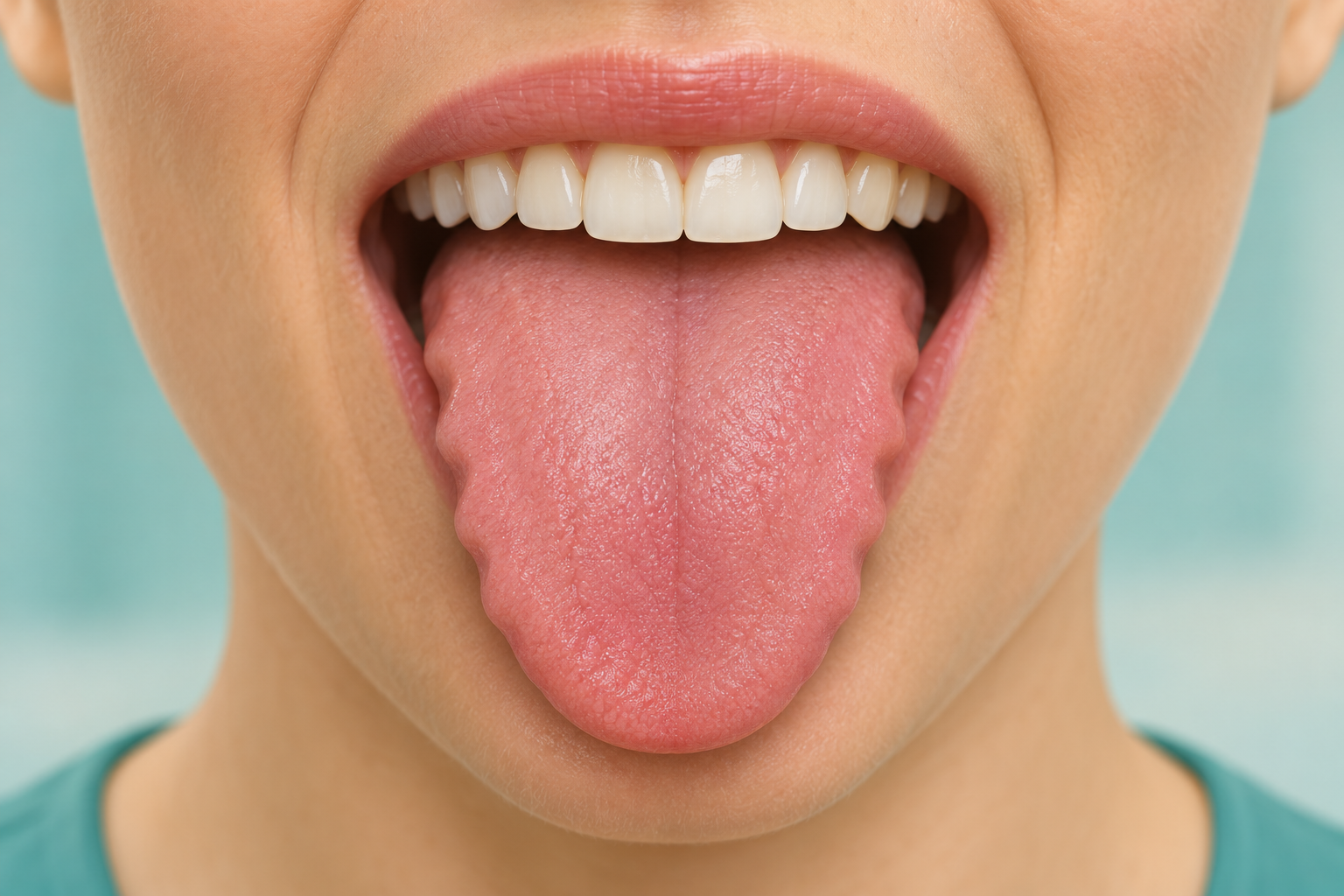
Mouth Cancer Stages 0, 1, 2, 3, 4 – Symptoms, and Treatment
Understand mouth cancer stages 0, 1, 2, 3 and 4, TNM staging, diagnosis, treatment planning and why symptoms alone cannot determine stage.

SmilesCare - Dental education | Oral health blog
Trusted dental education and oral health guidance
Understand mouth cancer stages 0, 1, 2, 3 and 4, TNM staging, diagnosis, treatment planning and why symptoms alone cannot determine stage.
Introduction Finding a lump under your chin can be concerning. While some lumps are harmless and temporary, others may indicate an underlying medical condition. The lump could be due to…

Introduction A tooth fracture or cracked tooth is a common dental issue that can cause pain, sensitivity, and complications if left untreated. Cracks can result from trauma, chewing hard foods,…
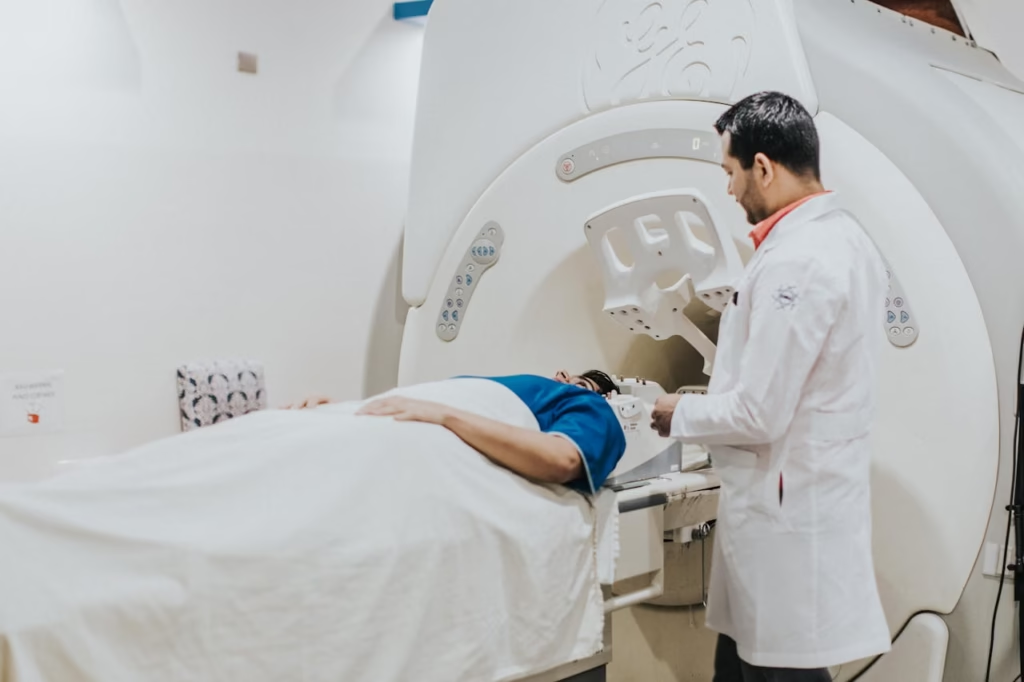
Introduction Magnetic Resonance Imaging (MRI) is a widely used diagnostic tool that provides detailed images of the body’s internal structures. However, if you have dental crowns, fillings, or implants, you…
Dental crowns are essential for restoring damaged or weakened teeth. Two of the most commonly used materials are Zirconia crowns and Porcelain-Fused-to-Metal (PFM) crowns. But what are their key differences,…

Learn how dental cavities form, which early stages may be reversed, common symptoms, treatment options, and proven ways to prevent tooth decay.

Introduction Have you ever experienced a sharp pain in your teeth when eating ice cream or sipping a hot coffee? If yes, you might be suffering from dentin hypersensitivity (also…
Lingual tori, also known as Torus mandibularis, are fascinating anatomical variations. They can surprise many patients during a routine dental exam. Though often benign, they can raise concerns due to…
Restorative dentistry plays a crucial role in preserving both the function and aesthetics of teeth. With dental caries affecting over 90% of adults globally, selecting the right restorative materials is…
Dental Pulp Stones Dental pulp stones, also known as pulp calcifications, are important clinical findings. They may impact endodontic treatment and diagnostic processes. Although often incidental findings, their presence can…